DISEASES OF VEINS

The function of the veins is to take the de-oxygenated blood from the periphery/ various organs of the body and take it back to the heart/ lung for oxygen on. Veins are thin walled tubes that we commonly see on the back of our hands or on feet.

Veins are present all over the body. The veins in the just below the skin are called Superficial veins. There is another set of larger veins that runs deep between the muscles of the legs, abdomen, arms, neck etc. these veins are called Deep Veins.


All of these veins have valves that permit
unidirectional flow of blood from the periphery to the heart.

The most common diseases of the veins
involve either a failure of these valves or
clotting of blood in these veins. Varicose veins is a condition that arises from failure of valves that can happen due to a variety of reasons.

Varicose veins is probably the most common venous disease. Similarly, clotting of blood in the veins is known as Venous Thrombosis. This clotting or thrombosis can happen in any of the veins, but is frequently seen after i.v. injections. Occasionally though, this clotting can happen in the deep venous segments of the leg, known as Deep Vein Thrombosis (DVT)

DVT is a potentially lethal disease as these
clots can migrate to the lungs and can be life threatening in the acute stage and lifestylethreatening in the chronic stage.


Dr Vimal Iype

Vascular and endovascular surgeon trained and experienced in dealing with vascular ailments commonly varicose veins,dvt,peripheral arterial occlusive diseases(POAD), Aneurysms, carotid stenosis , dilaysis access solutions.Has experience in all modalities of treatment – open and endovascular .with over 12 years experience at a high volume centre .

Dr. Aadarsh Kabra

Dr. Aadarsh Kabra was the first vascular surgeon in Rajasthan, and has been dedicated to the cause of vascular surgery for the past 15 yrs. He left a robust practice in Medanta the Medicity, Gurgaon, to come and offer the best possible vascular surgical care to patients of Rajasthan, who had to earlier travel far and wide for such treatments. He has had a vast experience in vascular and endovascular surgery spanning 15 years and has the privilege of having trained and practiced in the best centers in the country and abroad.

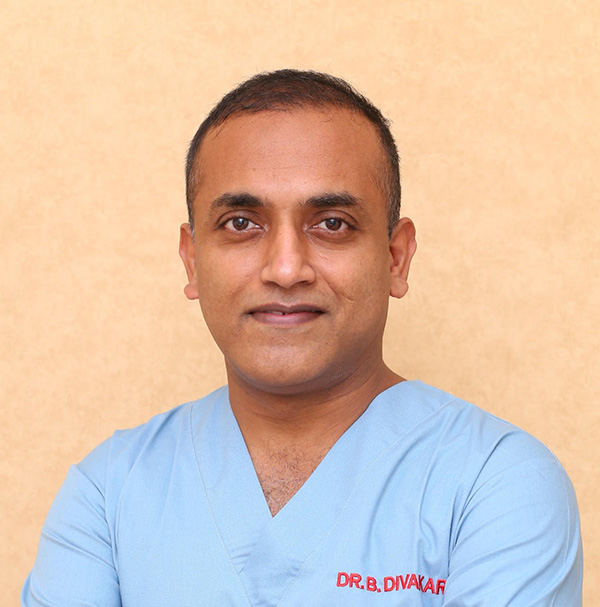
Dr. B Divakar

We offer the latest in diagnostic equipments to completely evaluate all sorts of venous diseases and perform the best of treatments like Laser, Radiofrequency, Venaseal, Sclerotherapy, Cosmetic open surgery and deep vein reconstruction. We offer the best in venous ulcer management.

Deep Vein Thrombosis Treatment

Gradually increasing swelling of the leg starting from calf, thighs and sometimes lower abdomen. In advance stages, it may cause severe pain, inability to walk, bluish discoloration of toes.

DVT is a serious condition and a vascular surgeon should be consulted at the earliest. In earlier stages, it is easier to manage DVT.

Usually simple sonography of the leg (a color doppler scan) gives a fair idea about the extent of the thrombosis in leg veins.

Mild form of DVT can be treated with medicines and injections (blood thinners) and it may not require hospitalization. Severe form of DVT requires hospitalization and a procedure called Catheter Directed Thrombolysis (CDT). It is an endovascular (Key hole) procedure that is done without cuts and sutures.

There are range of medicines called anticoagulants that are used in the treatment of DVT which should only be taken under proper medical supervision.

Newer oral anticoagulants (NOACS), Eg- Rivoraxaban, Apixaban, Dabigatran have largely replaced older medications like Warfarin. These newer medications are more effective and does not need repeated blood tests to monitor their efficacy. However, they are not safe for use during pregnancy or lactation.

In most case the treatment given is for 3 to 4 months. However the duration varies on the basis of various factors and should be done under the supervision of an expert vascular surgeon.

CDT is usually done in an angiography suite where a small tube is passed in the veins and all the clots are removed with that some special injections are given in that catheter to dissolve the clots.

Usually CDT is a safe procedure, very rarely a clot migration is noticed.

Usually, CDT requires hospitalization of 2-5 days.

Compression stockings are advised for 3-12 months. Check sonography is done from time to time. Specific exercises are advised to most DVT patients.

NO. Do not become pregnant while you are on anticoagulation. If so, report to your doctor immediately. If you are planning for pregnancy you have to be off anticoagulation for at least -3 months under the guidance of your doctor. Attention: This medication may cause birth defects and severe bleeding in the foetus during the 1st and 2nd trimester of pregnancy.